
The Future of Roofing and Solar
Solar Market Intelligence
Market Growth Rate
U.S. solar capacity has grown more than 30× since 2010.
Solar now represents one of the largest sources of new electricity generation capacity added annually in the United States.
Residential solar installations have expanded from niche adoption in the early 2000s to millions of installed systems nationwide.
Solar regularly accounts for 40%–60% of new utility-scale power additions in recent years.
This is no longer an emerging sector. It is a dominant generation source.
Utility Rate Escalation
U.S. utility rates have consistently increased over time (electricity prices are rising 5%+ per year on average), often outpacing general inflation.
In many markets, homeowners can lock in predictable energy costs through solar.
Electrification, EV charging, and grid modernization are driving long-term upward rate pressure.
Energy inflation is a structural driver of solar demand.
Cost Declines Driving Adoption
The cost of solar panels has fallen approximately 80%–90% over the past 15 years.
Installed system pricing has steadily declined while efficiency has improved.
Battery storage costs have also dropped significantly, accelerating attachment rates.
Lower equipment cost + higher performance = expanded consumer demand.
Federal Incentives & Local
The Federal Investment Tax Credit currently allows homeowners to claim 30% of the system cost in most cases.
Storage now qualifies when paired appropriately.
Incentives significantly reduce net cost and accelerate ROI.
Local incnetivies available
Policy stability has helped mature the market.
Storage Is Accelerating
Residential battery attachment rates are rising year over year (181% since 2020), particularly in states with high utility rates or grid instability.
Homeowners increasingly want outage protection, not just savings.
Battery systems like the Tesla Powerwall have normalized home energy storage.
Solar is no longer just panels. It is becoming a full energy ecosystem.
Consumer Demand Trends
EV adoption is accelerating, increasing household electricity consumption.
Homeowners are prioritizing resilience after major weather events.
Energy independence and self-sufficiency have become mainstream concerns.
Solar is no longer a “green” decision only. It is financial and strategic.
Why Roofing Companies Add Solar
-
You already:
Have the homeowner relationship
Access the structure
Licensed and Permitted
Operate within insurance and replacement cycles
Solar becomes a margin multiplier, not a new marketing expense.
A traditional roofing project may range from $12,000 to $25,000.
A residential solar system can range from $25,000 to $75,000.Bundled correctly:
Average contract value can more than double
Customer acquisition cost decreases
Sales efficiency improves
Revenue per employee increases
Instead of competing solely on materials and price, you compete on energy savings, resilience, and long-term value.
If you do not offer solar, another contractor will approach your customer after the roof is complete. Offering both roofing and solar protects your warranty, protects penetrations, and protects your client relationship.
-
Residential solar is no longer experimental. It is a normalized home upgrade supported by major manufacturers and national brands such as Tesla, Enphase Energy, and SolarEdge Technologies.
Key trends driving growth:
Rising utility rates
Increased battery adoption
Federal tax incentives
Consumer demand for energy independence
Electrification of vehicles and homes
For roofing companies, this represents opportunity.
Roofing can be cyclical and storm-dependent. Solar adds:
Revenue stability
Higher average ticket sizes
Stronger referral opportunities
Access to higher-credit homeowners
Enhanced company valuation
Companies that integrate solar early position themselves ahead of consolidation and private equity interest in the home services space.
-
Homeowners are no longer hiring separate contractors for isolated services. They are looking for a trusted advisor who can manage the full exterior and energy system of their home.
What used to be separate trades are now converging:
Roofing
Solar
Battery storage
EV charging
Smart electrical panels
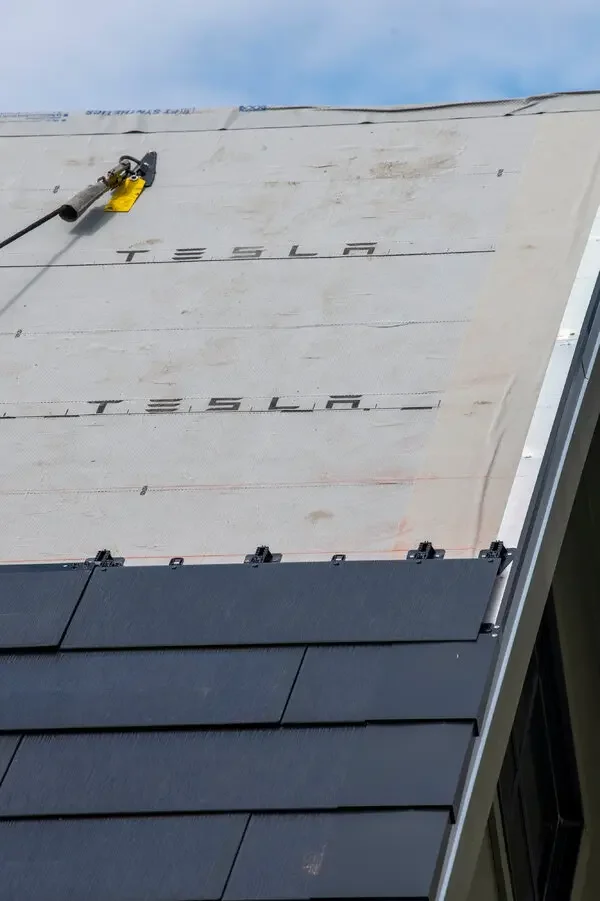
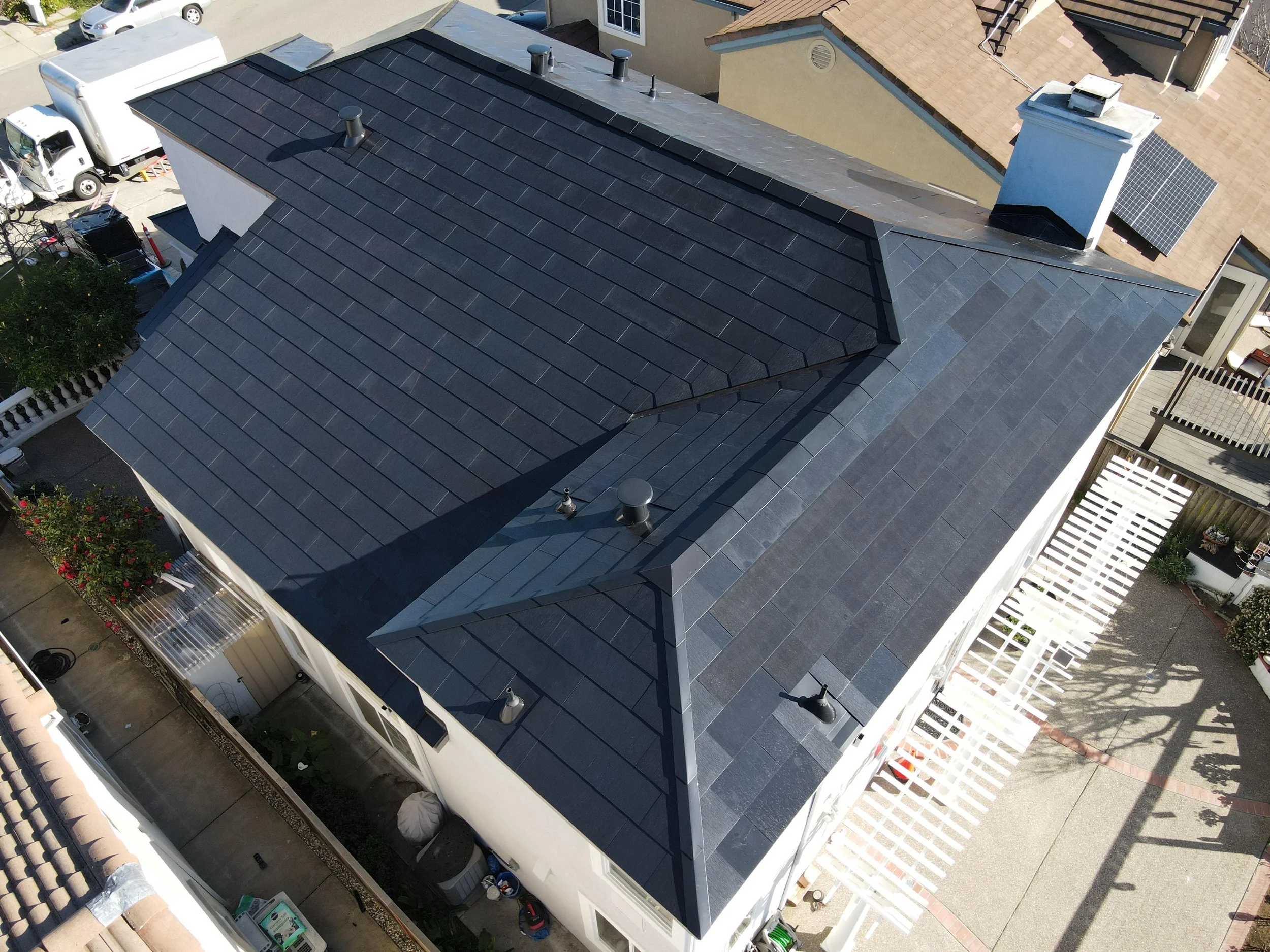
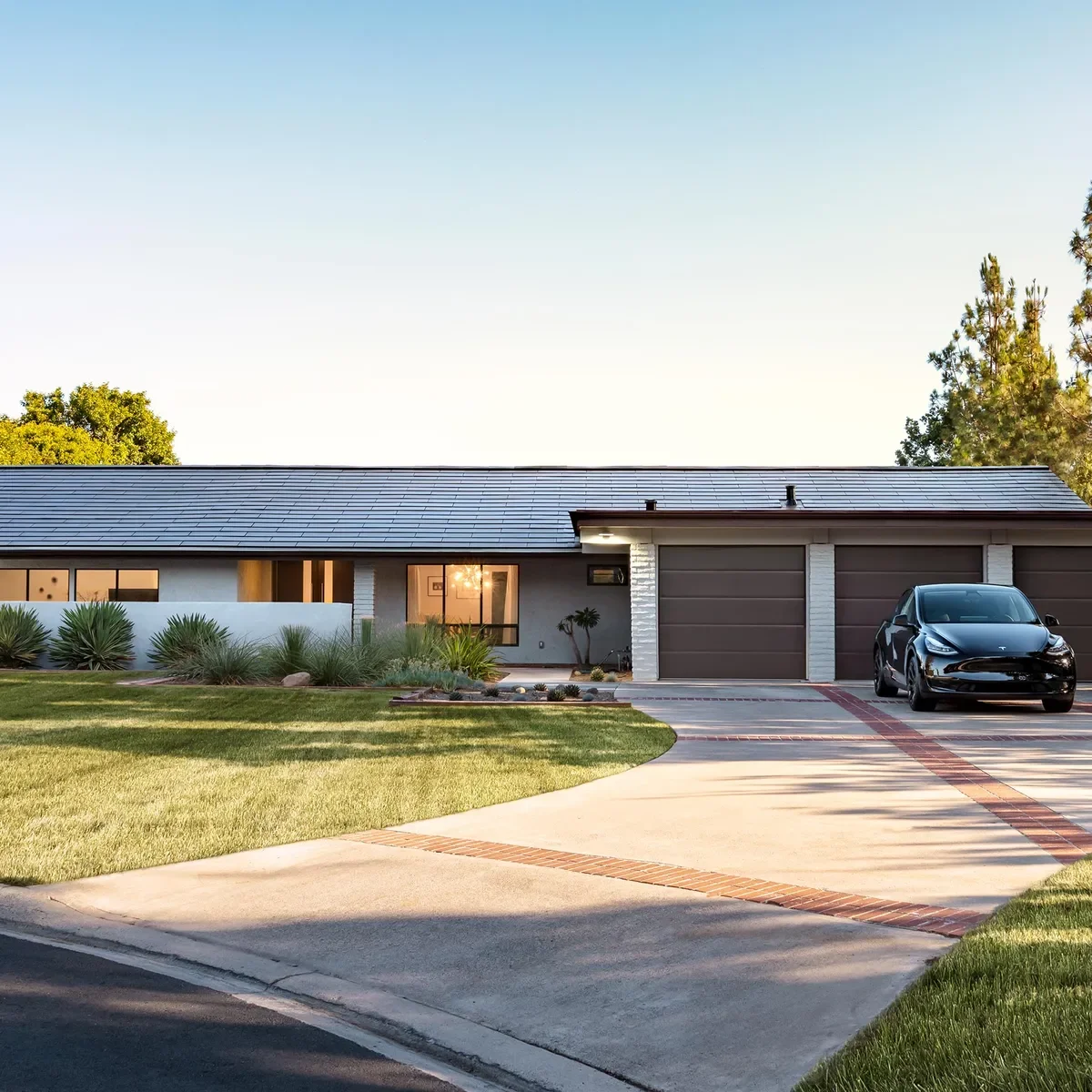
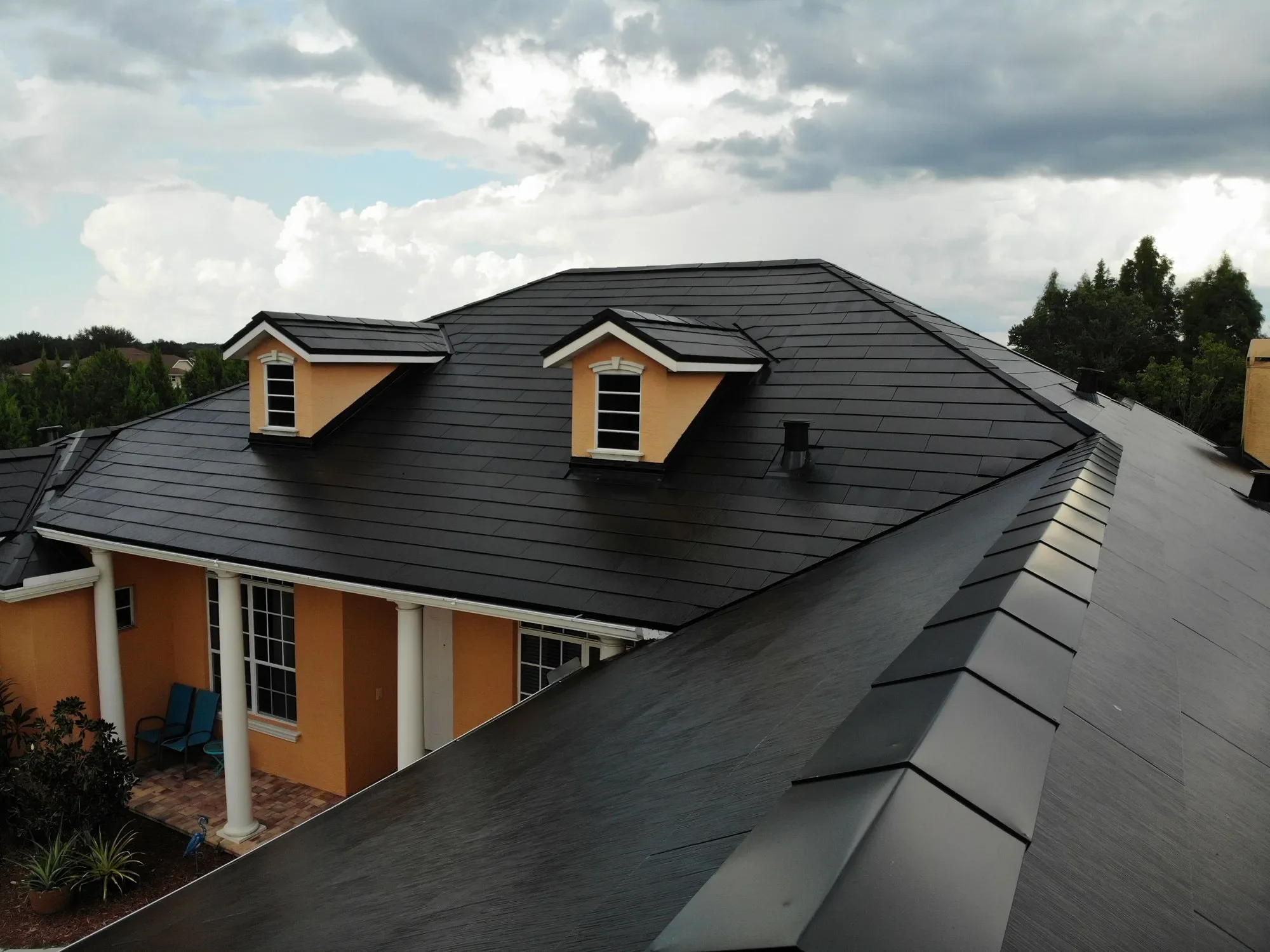
Products like the Tesla Powerwall and Tesla Solar Roof demonstrate how roofing and energy infrastructure are merging into a single system.
Roofing companies are uniquely positioned to lead this shift because:
Solar is installed on the roof
Structural integrity begins with roofing
Waterproofing risk sits with roofing
Replacement cycles begin with roofing
Electrical contractors do not control the reroof event.
Standalone solar companies do not control the exterior envelope.Roofers can control both, positioning for the Next Decade
Adding solar is not about becoming a different company.
It is about expanding what you already own.Roofing companies that integrate solar:
Increase average contract value
Improve margins
Protect their customer base
Differentiate from competitors
Future-proof their business
The companies that control the roof will control the next evolution of home energy.